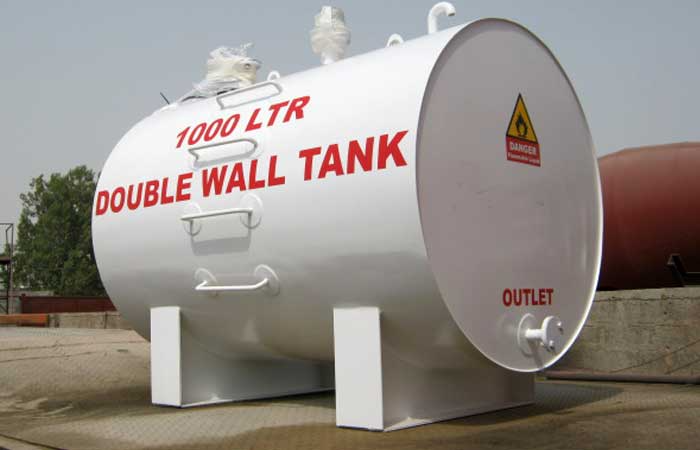

In industries dealing with fuel storage, chemicals, and other hazardous liquids, safety and environmental protection are paramount. Double wall bunded tanks are one of the most reliable and effective solutions for storing these dangerous substances safely. With a robust design that includes both an inner and an outer layer, these tanks provide an extra layer of protection against leaks, spills, and environmental contamination. Manufactured in Saudi Arabia, UAE, Kuwait, and Qatar, double wall bunded tanks are a crucial component for businesses involved in the oil, gas, and chemical industries, ensuring compliance with stringent safety regulations.
Introduction to Double Wall Bunded Tanks and Their Use in Hazardous Material Storage
Double wall bunded tanks are specifically designed for the safe storage of fuel, chemicals, and other hazardous liquids. These tanks feature a secondary containment system, or an outer wall, designed to catch any leaks or spills from the primary tank. This design ensures that hazardous materials do not leak into the surrounding environment, significantly reducing the risk of contamination and environmental damage. Bunded tanks are typically used in high-risk industries, including oil and gas, manufacturing, and agriculture, where hazardous chemicals and fuels are stored in bulk.
In the Middle East, where the demand for fuel and chemicals is high, the use of double wall bunded tanks is essential for businesses to meet environmental and safety standards. Manufactured in Saudi Arabia, UAE, Kuwait, and Qatar, these tanks are built to withstand the region's extreme conditions while offering an added layer of protection.
Future Trends: Smart Monitoring Systems, Increased Use of Corrosion-Resistant Materials
As industries across the world place more focus on sustainability and safety, the future of double wall bunded tanks is driven by technological advancements. One of the most significant trends is the incorporation of smart monitoring systems. These systems can provide real-time data on the status of the tank, including liquid levels, temperature, and potential leaks. These monitoring systems allow operators to manage the tanks efficiently, detect early signs of wear or leaks, and ensure the safety of both the tank and its contents.
Furthermore, the use of corrosion-resistant materials is becoming increasingly important. In Saudi Arabia, UAE, and other Middle Eastern countries where high temperatures and extreme weather conditions are common, corrosion can quickly damage storage tanks. By incorporating advanced corrosion-resistant alloys and coatings, double wall bunded tanks can offer longer lifespans and more reliable protection. These innovations not only improve the durability of the tanks but also enhance their ability to protect the environment from hazardous material leaks.
Innovations: Enhanced Safety Features, Automatic Leak Detection Systems
Safety is the top priority when it comes to storing hazardous liquids. Double wall bunded tanks are equipped with enhanced safety features that offer greater protection than traditional storage tanks. Innovations such as automatic leak detection systems ensure that any breach in the inner tank is immediately identified. These systems use sensors to detect leaks or spills, sending an alert to operators who can take immediate action to mitigate the issue before it becomes more serious.
Additionally, some double wall bunded tanks now include built-in spill containment trays that automatically collect any spills, reducing the potential for contamination. These innovations make double wall bunded tanks a highly effective solution for industries that handle large quantities of fuel or hazardous chemicals, as they significantly reduce the risks associated with storage.
Advantages: Improved Safety, Environmental Protection, and Compliance with Regulations
The primary advantages of double wall bunded tanks are their improved safety, environmental protection, and compliance with industry regulations. These tanks are designed to prevent spills, leaks, and accidents, protecting both the environment and public health. In the event of a leak, the outer wall of the tank acts as a containment barrier, preventing the hazardous material from reaching the surrounding environment.
Double wall bunded tanks also help businesses comply with regulatory requirements for storing hazardous liquids. In Saudi Arabia, UAE, Kuwait, and Qatar, governments have stringent environmental regulations that require businesses to store fuels and chemicals in ways that prevent contamination. By using double wall bunded tanks, businesses can ensure compliance and avoid costly fines or legal action.
Another major benefit of these tanks is cost efficiency. Although the initial investment for a double wall bunded tank may be higher than traditional tanks, the long-term benefits outweigh the costs. These tanks reduce the likelihood of costly environmental cleanup and legal penalties, which can result from improper storage of hazardous materials. Additionally, automated monitoring systems and leak detection systems reduce the need for manual inspections, lowering operational costs.
Address and Contact Information
Four Lines Industries and Technical Services
India Head Office: Avadi Rd, Sidco-Kattur, Tamil Nadu 601203, India
Phone: +91 9995442189
Email: flitsindia@gmail.com
Website: www.flitsindia.com
UAE Office: Mr. Alexander
Phone: +971 52 363 5459
Saudi Arabia Office: Mr. Javeed
Phone: +966 53 669 0869
Kuwait Office: Mr. Feby Dominic
Phone: +965 6694 5717
Double wall bunded tanks are essential for businesses in Saudi Arabia, UAE, Kuwait, and Qatar that store hazardous liquids and fuels. These tanks offer unparalleled safety, environmental protection, and regulatory compliance, making them a valuable investment for companies in the region. With innovative safety features, smart monitoring systems, and corrosion-resistant materials, the future of double wall bunded tanks is bright, ensuring the safe storage of hazardous materials for years to come.